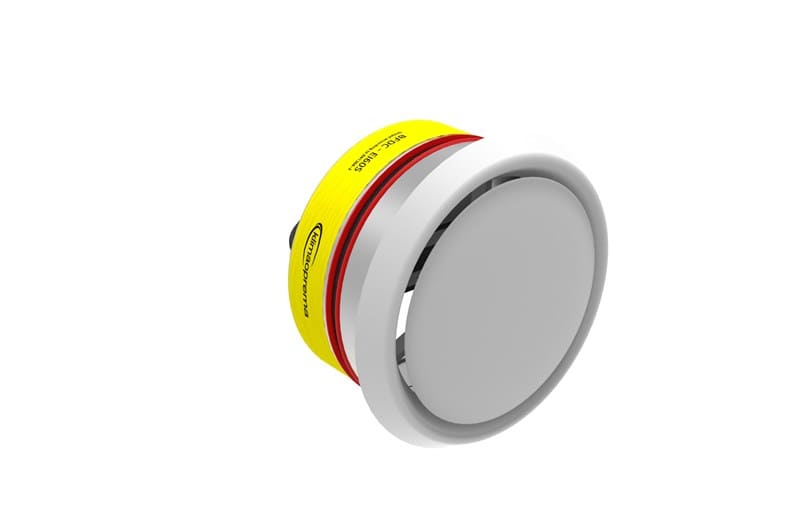
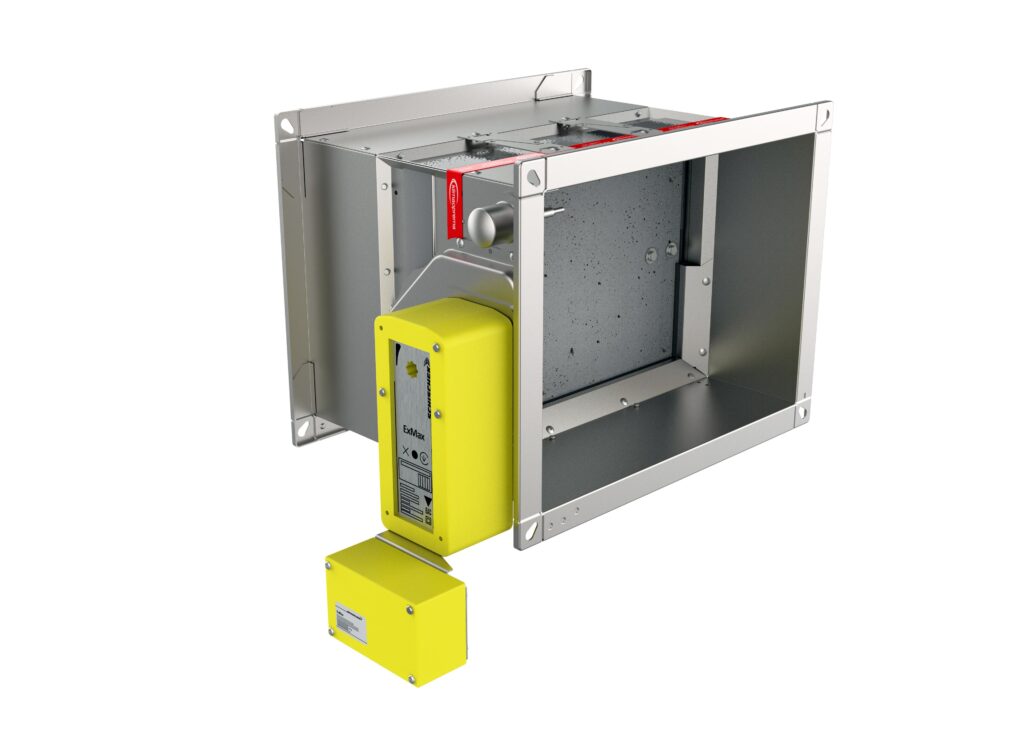
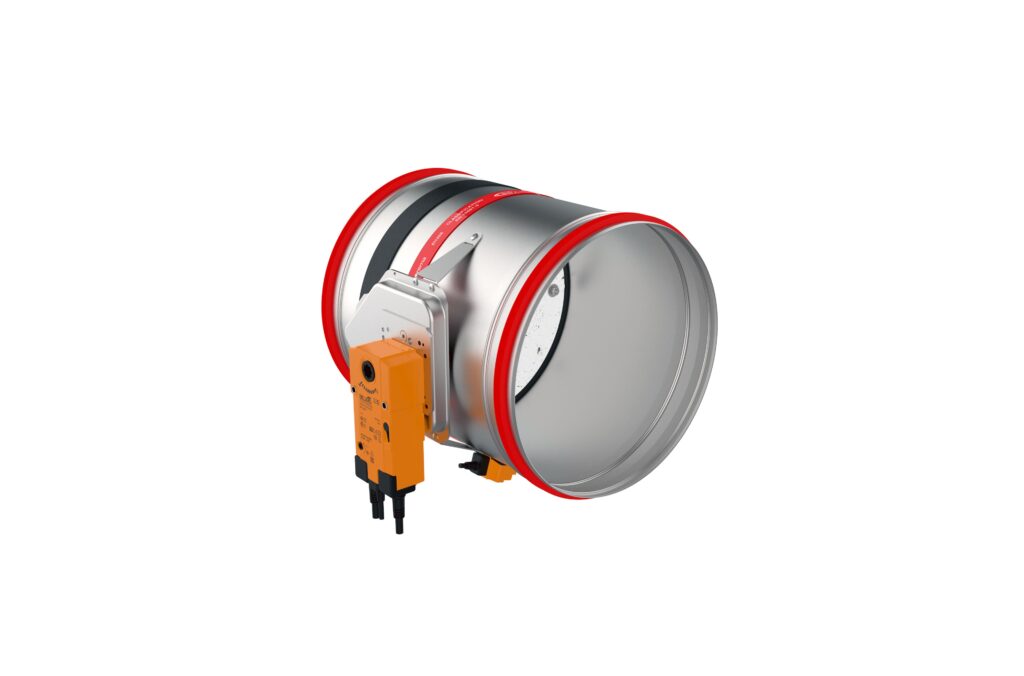
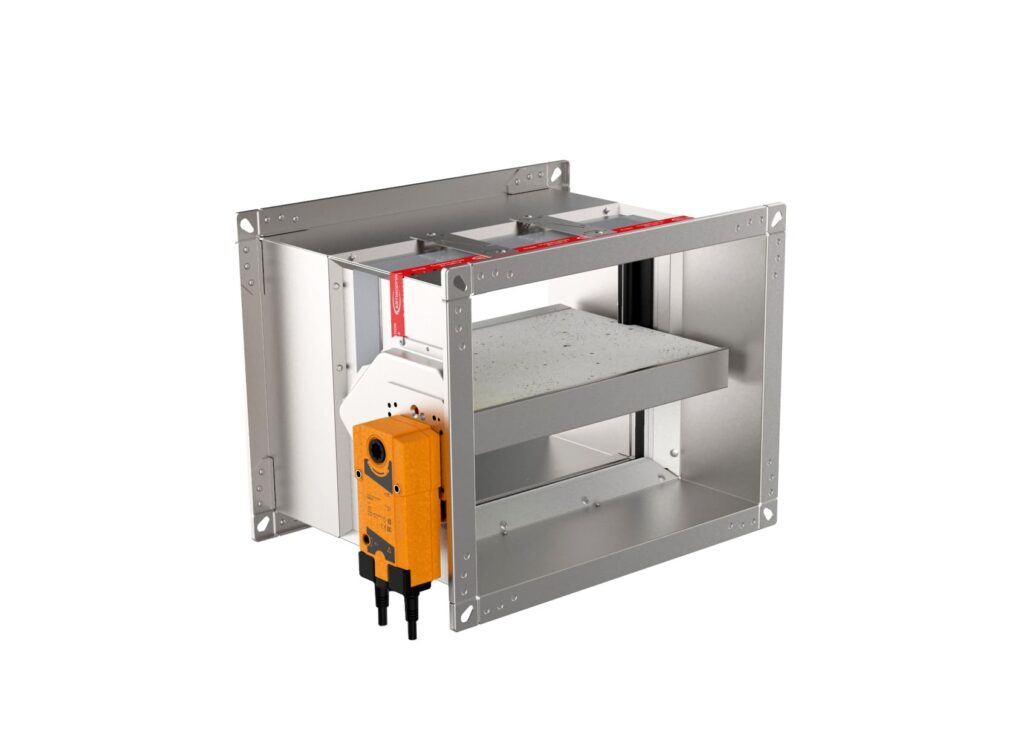
Fire dampers for smoke extraction and ventilation systems prevent the spread of smoke and flames through ductwork and help maintain fire compartmentation. They localise the fire within one zone, protect escape routes and provide more time for safe evacuation and fire brigade intervention. Properly designed solutions are integrated into the overall ventilation and building automation system.
Key benefits:
Fire compartmentation and localisation — fire dampers close or move to a defined position to stop smoke and flames from spreading to adjacent areas.
Protection of escape routes — reduced smoke spread in stairwells, corridors and lobbies is critical for safe evacuation.
Compliance with fire safety regulations — certified fire dampers for smoke extraction and ventilation systems are tested to relevant standards and fire resistance classes.
Integration with building management systems — dampers can be controlled by fire alarm signals and coordinated with ventilation and smoke extract fans.
Robust, reliable construction — materials, blades and seals are designed to operate under high temperatures and smoke conditions for the specified duration.
Minimal impact in normal operation — under non-fire conditions, dampers provide the required free area and do not cause excessive pressure loss.
Fire dampers are installed where ducts pass through fire-rated walls and floors and on branches near fire compartments. In normal operation they remain open or in a defined position to allow ventilation; in the event of a fire they close or move to a specific position in response to temperature rise or a signal from the fire alarm system.
Details:
Installation in fire barriers — dampers are mounted in duct penetrations through walls and floors to maintain the fire resistance of the barrier.
Temperature or signal-based activation — closing can be triggered by a thermal element (e.g. fusible link) or by an electrical signal from smoke and fire detectors.
Blade position change — under fire conditions the blade closes the duct or moves to a dedicated smoke control position, depending on the system concept.
Maintaining fire and smoke tightness — damper housings, seals and fixings are selected to withstand high temperatures for the certified fire resistance period.
Interaction with fans and AHUs — activation of fire dampers is often linked with shutting down normal ventilation and starting smoke extraction systems.
Position indication and testing — many models provide end switches and allow periodic functional testing to verify readiness for operation.
When selecting fire dampers for smoke extraction and ventilation systems, it is essential to consider building use, local fire codes, the smoke control strategy and the type of ductwork. The correct fire resistance rating, actuation method and construction type ensure reliable damper operation during a fire and proper ventilation performance in everyday conditions.
What we consider when selecting:
Building type and fire load — office, retail, warehouse and industrial buildings have different requirements for fire dampers and smoke control systems.
Required fire resistance class — dampers are chosen with the appropriate EI rating according to the fire-rated wall or floor and project specification.
System concept (ventilation, smoke control or combined) — we define whether dampers are used only for compartmentation or also as part of the smoke extraction system.
Actuation and control method — thermal release elements, electric actuators, return springs and feedback signals to the BMS are specified as needed.
Duct type and geometry — suitable versions are selected for circular or rectangular ducts and for wall or floor penetrations.
Inspection and maintenance access — damper locations are planned to allow regular testing, inspection and servicing in accordance with regulations.


Quality and environmental management Vent System Project OÜ follows the principles of the ISO 9001 certificate.
A fire damper is a safety device installed in ventilation ductwork to prevent the spread of fire and hot gases through ducts in the event of a fire. When activated, it closes the duct at the fire compartment boundary and helps maintain the fire resistance of walls, floors and partitions penetrated by ductwork.
Fire dampers are designed to maintain fire compartmentation and stop fire and hot gases from spreading through ducts, typically by closing during a fire. Smoke dampers are part of smoke control or smoke extraction systems and are used to direct and remove smoke from specific zones. They perform different functions, even though both are related to fire safety ventilation.
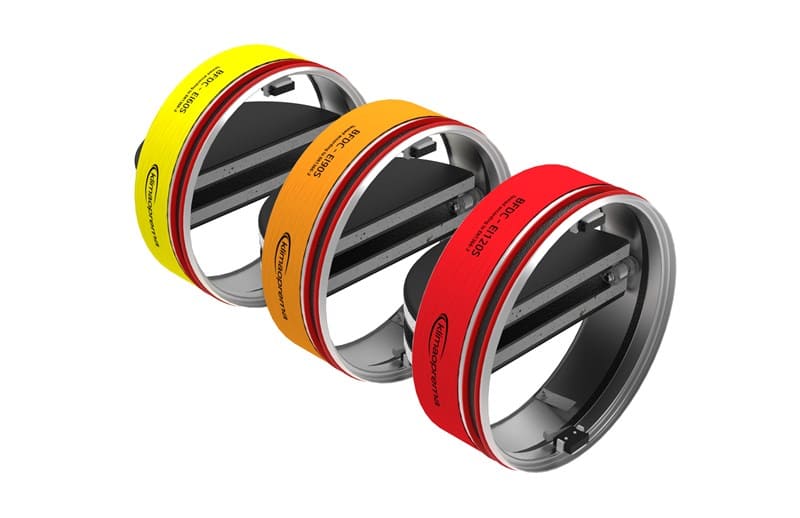
These classes indicate how long a fire damper can maintain integrity (E) and insulation (I) during a fire, usually expressed in minutes (60, 90, 120). Higher classes provide longer protection and are used where stricter fire safety requirements apply. The required class is defined by the fire safety design of the building.
Fire dampers are installed where ducts pass through fire-rated walls and floors, at fire compartment boundaries and in other locations specified by the fire safety design. They are usually mounted directly in the duct section that penetrates the wall or floor, or in special casings designed for such penetrations.
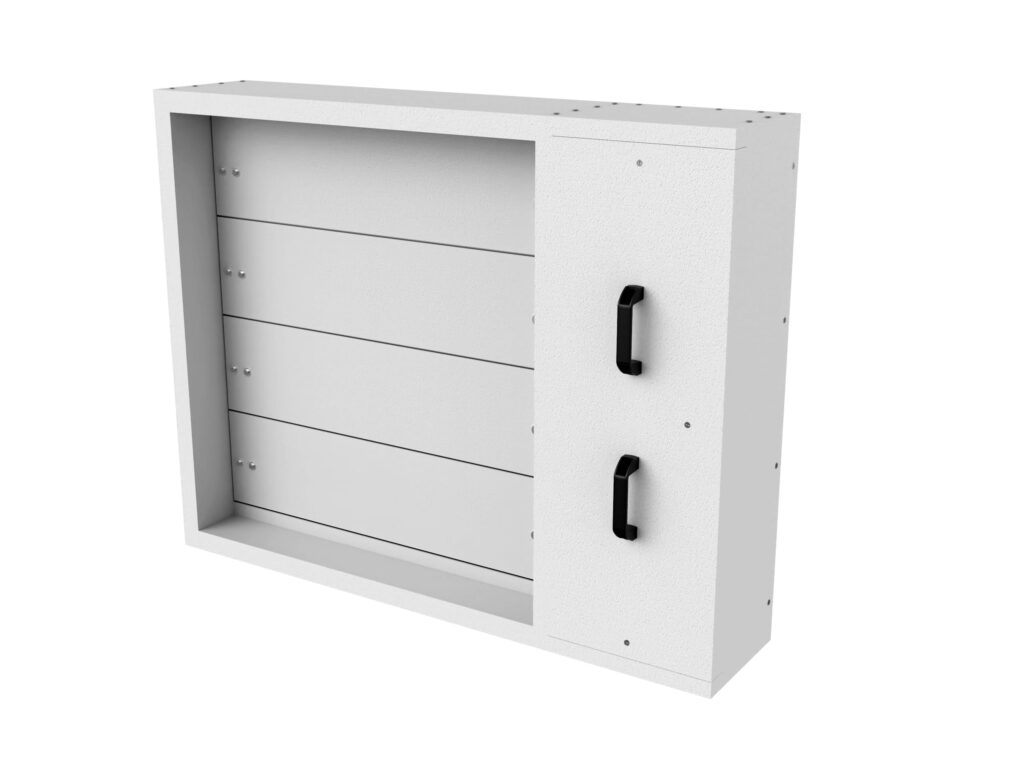
Round fire dampers are used in circular ducts, while rectangular fire dampers are used in rectangular ductwork. Functionally they serve the same purpose, but differ in their connection sizes and housing design. The choice depends on the duct system used in the project and the space available.
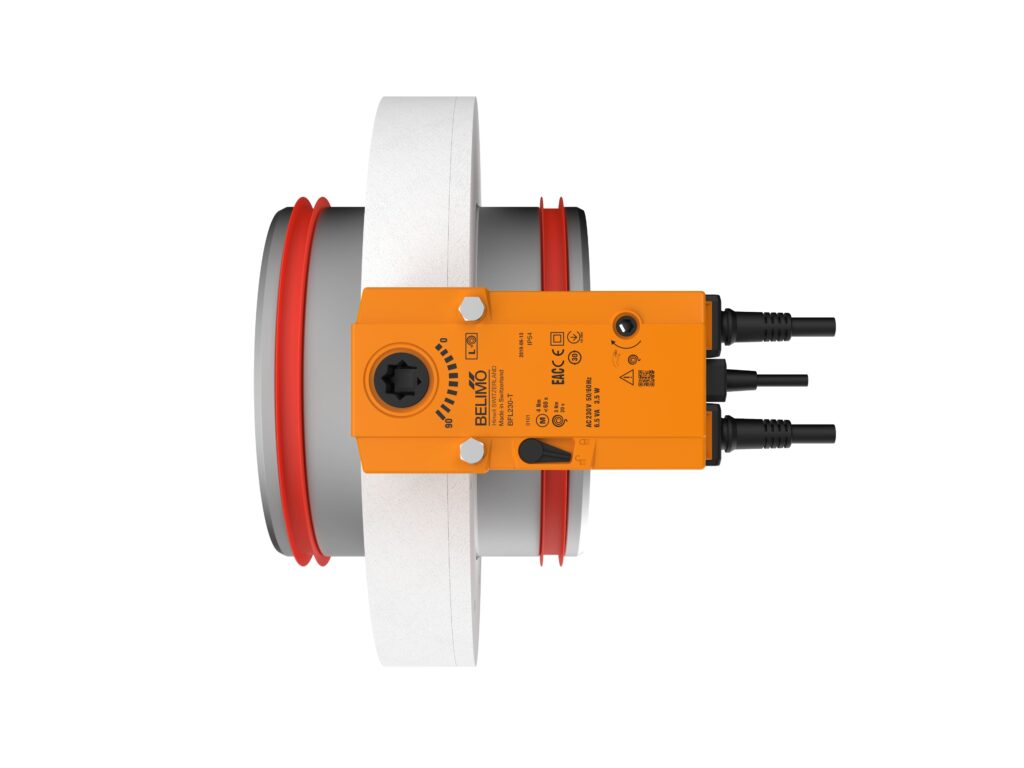
Motorised actuators allow fire dampers to be controlled and monitored by the fire alarm system or building management system (BMS). Spring return actuators ensure that the damper moves to a predefined safe position in case of power failure, providing a fail-safe function that is essential for reliable fire protection.
A normally open fire damper remains open during normal operation and closes when a fire condition is detected. A normally closed damper remains closed during normal operation and opens only in specific modes defined by the fire safety design. The choice depends on the overall fire strategy and ventilation concept of the building.
Fire dampers must be tested and certified according to relevant European and national standards, including defined fire resistance and leakage classes. Proper installation, correct integration with control systems and regular functional testing are essential to ensure that the dampers operate as intended during a fire.
Inspection and testing frequencies are defined by local regulations, standards and manufacturer’s instructions, but fire dampers are normally included in the building’s regular fire safety maintenance programme. Tests verify damper movement, actuator operation and signal feedback, and results are recorded in maintenance documentation.
The price depends on damper size and shape (round or rectangular), fire resistance class, actuator type (manual, motorised, spring return) and order volume. Fire dampers and related fire ventilation components can be supplied for projects in Estonia and, where needed, also to Latvia and Lithuania as part of complete ventilation equipment deliveries.
VENT SYSTEM PROJECT OÜ (11720522), Ida-Viru County, Narva City, Narva, Oru tn 4, 20203
VENT SYSTEM PROJECT OÜ (11720522), Ida-Viru County, Narva City, Narva, Oru tn 4, 20203