
/
/
/
Air curtains

Air curtains

Air curtains for large spaces

Air curtains for large spaces are an ideal solution for offices, restaurants, warehouses, production halls and other commercial buildings in Estonia, Latvia and Lithuania. The units filter dust, odours and fine particles, improving indoor air quality in areas with constant foot traffic. Their high capacity and reliable filtration help meet hygiene and comfort requirements while reducing the load on the ventilation and HVAC system. Choose the right air cleaner for your project or request an engineering proposal.
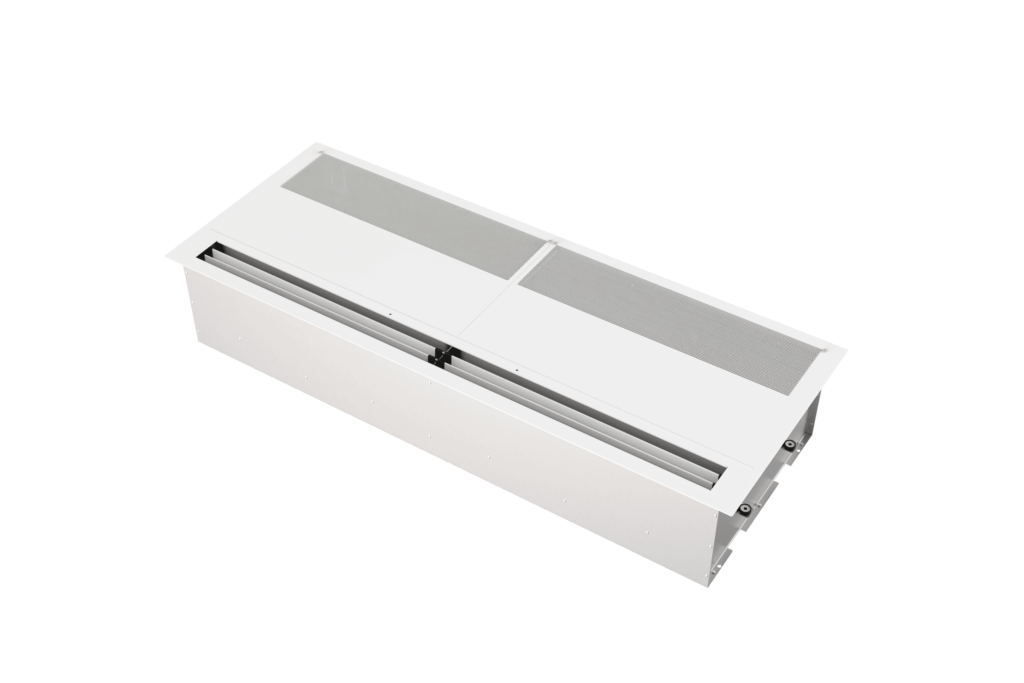
Air treatment Grand Casette
It is designed to transport air purified from fine dust, grease, chemical vapors and other impurities.
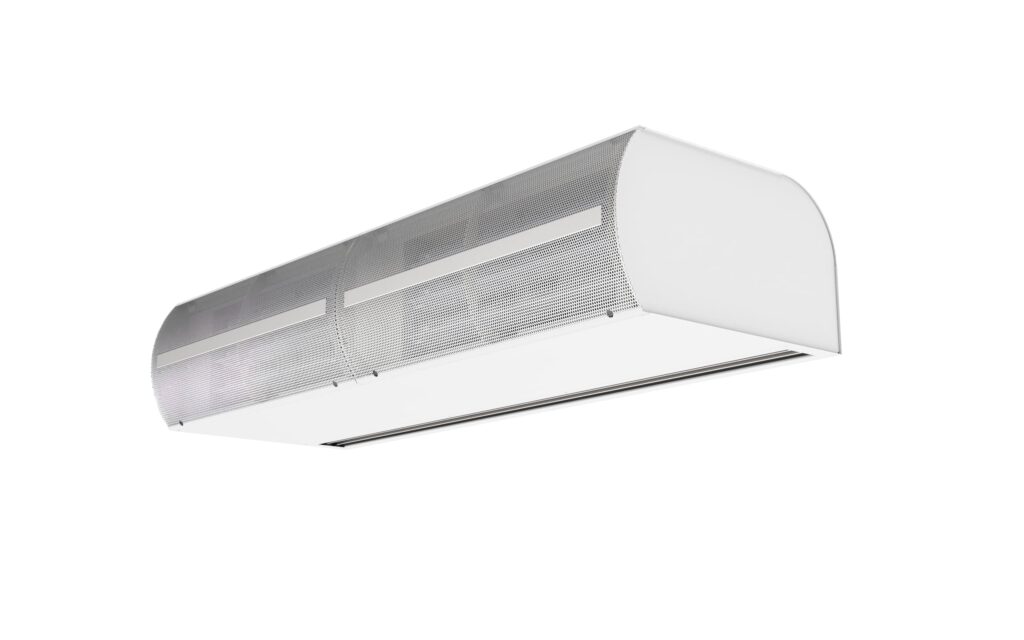
Air treatment Grand
The Grand is an extraordinary high-performance and visually attractive comfortable air curtain for use in representative premises.
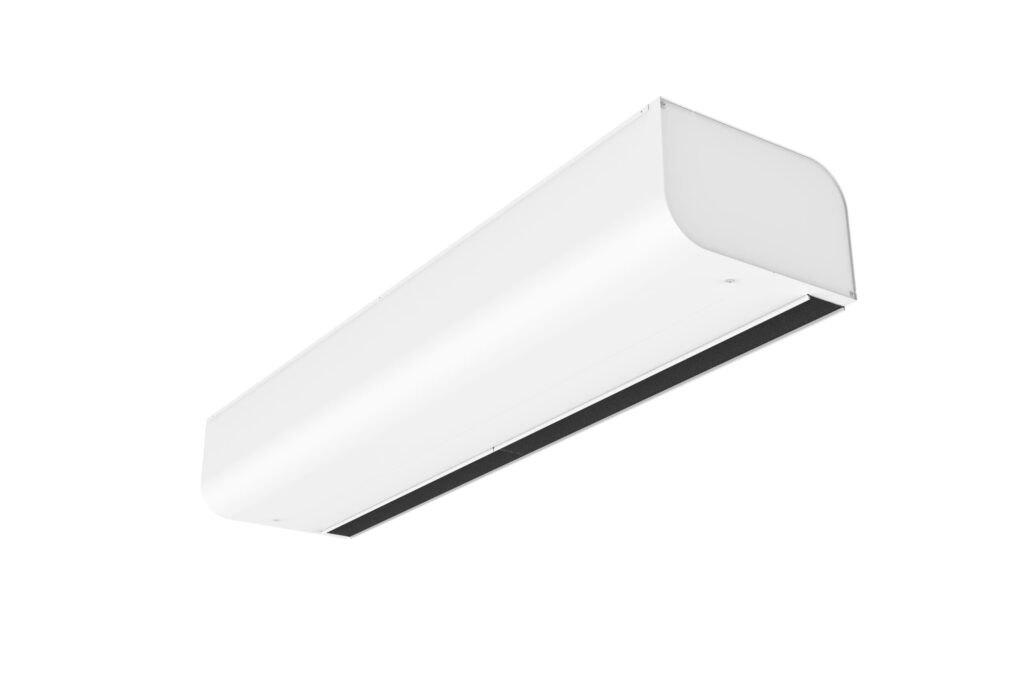
Air treatment Sonata 3
This is a low profile air curtain for indoor use.
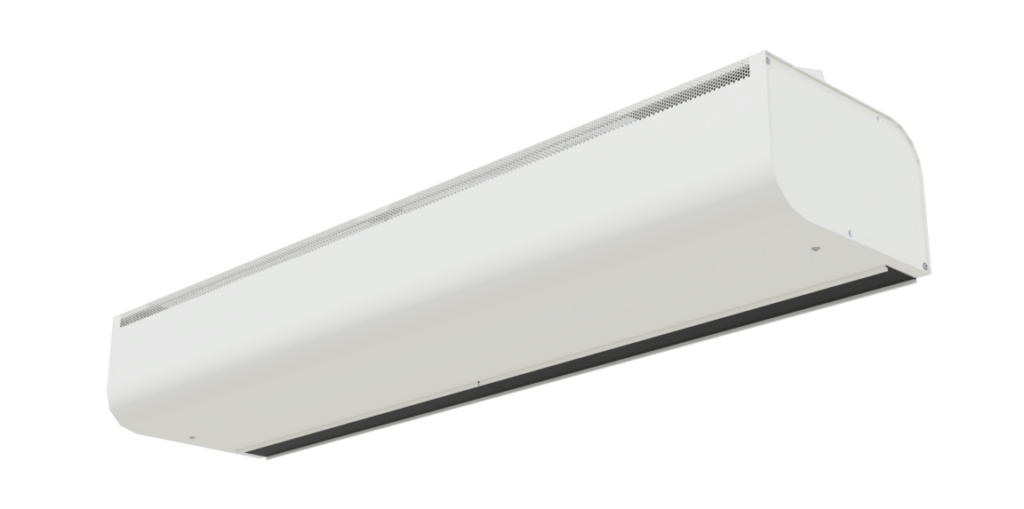
Air treatment Sonata 4
This is a low profile air curtain for indoor use.
Air treatment Grand Cassette 5

Air curtains for large spaces help maintain stable indoor air quality in areas with high foot traffic such as offices, restaurants, warehouses and production halls. The units filter dust, odours and fine particles, reducing the load on the central ventilation and HVAC system. This makes it easier to meet hygiene, comfort and indoor climate requirements throughout the building.

Key benefits:

  • Improved indoor air quality — filtration stages capture dust, allergens and fine particles, reducing airborne pollution in busy areas.

  • Better hygiene and comfort — lower levels of odours, smoke and aerosols are crucial for restaurants, open-plan offices and reception areas.

  • Reduced load on ventilation and HVAC — pre-cleaning of recirculated air decreases contamination of central filters and heat exchangers.

  • High capacity for large volumes — air curtains for large spaces are designed to handle significant airflow and remain effective even in open layouts.

  • Flexible installation — units can be mounted on walls, ceilings or near entrances and integrated with existing ventilation systems.

  • Economic efficiency — better air quality can reduce complaints and sick leave while supporting higher staff productivity.

Air curtains for large spaces draw room air into the unit and pass it through a multi-stage filtration system that removes dust, fine particles and odours. During operation, the equipment continuously cleans the air in the hall or production area, keeping particle concentrations and odour levels under control. If required, the units can operate in recirculation mode or in combination with the existing ventilation system.

Details:

  • Intake of polluted air — the fan draws air from the upper or working zone of the room where dust and odours tend to accumulate.

  • Multi-stage filtration — pre-filters trap larger particles, fine and HEPA filters capture fine dust and allergens, while activated carbon filters reduce odours and VOCs.

  • Even distribution of cleaned air — purified air is supplied back to the room, creating more uniform air quality throughout the large space.

  • Continuous cleaning cycle — the units run continuously or according to a time schedule, maintaining stable air quality during peak occupancy.

  • Integration with ventilation and controls — operation can be managed by timers, air quality sensors or the building management system (BMS).

  • Easy service and filter replacement — maintenance staff can access and replace filters quickly without shutting down the entire facility.

To ensure that air curtains for large spaces truly improve indoor air quality, it is important to consider the type of building, ceiling height, occupancy and process-related emissions. Proper selection of the unit helps achieve the required air cleaning rate without overloading the electrical infrastructure or the ventilation system.

What we consider when selecting:

  • Purpose and size of the area — offices, restaurants, warehouses and production zones require different capacities and air distribution concepts.

  • Room volume and ceiling height — these parameters define the necessary recirculation rate per hour and the total capacity of the air cleaners.

  • Types of pollutants — dust, smoke, odours, aerosols or process emissions determine the combination of pre-filters, fine filters, HEPA and carbon filters.

  • Noise level and operating mode — quieter models are preferred for offices and customer areas, with options for night-time or 24/7 operation.

  • Mounting method and location — wall-mounted, ceiling-mounted or entrance-zone units are selected according to the floor plan and main traffic flows.

  • Compatibility with existing systems — we ensure smooth interaction with central ventilation, air-conditioning equipment and building automation.

Still have questions or need help?

Quality and environmental management Vent System Project OÜ follows the principles of the ISO 9001 certificate.

Frequently asked questions about air curtains for large spaces

An air curtain creates a controlled air stream across a doorway or opening, separating indoor and outdoor air. It reduces heat losses in winter, limits warm air entering in summer and helps to prevent draughts in large retail areas, warehouses and industrial halls.

A heater only warms the air around it without forming a continuous barrier. An air curtain generates a uniform air jet across the entire opening, which reduces the ingress of cold air, dust and insects while still allowing people and vehicles to pass freely.

There are heated and unheated air curtains, horizontal units mounted above doors and vertical units installed alongside the opening. In smaller entrances compact models are used, while large doors and loading bays require more powerful industrial air curtains with higher airflow.

The selected model must be suitable for the door height and provide full coverage across the opening. The air jet should maintain sufficient velocity at floor level to create an effective barrier. Selection is usually based on manufacturer data tables and recommendations, taking into account door dimensions and application.

Heated air curtains are typically installed at main entrances where people enter and comfort is important. Unheated air curtains are often used at warehouse doors and industrial openings where the main goal is to reduce energy losses and keep the indoor climate stable while heating is provided by other systems.

Yes, special industrial air curtains are designed for these applications, with high airflow volume and extended throw distance. They help to reduce heat losses, protect staff from draughts and maintain a more stable temperature in loading and logistics areas.

Modern air curtains can be controlled by wall-mounted controllers, remote controls, door contacts, thermostats or building management systems (BMS). This allows automatic start/stop when doors open and flexible adjustment of operating modes depending on time schedules and temperature.

When correctly sized and adjusted, air curtains significantly reduce heat losses through frequently opened doors and large openings. The electrical energy used by the air curtain is usually offset by lower heating or cooling demand, especially in buildings with high footfall or intensive goods handling.

Air inlets and, if present, heat exchangers should be cleaned regularly to remove dust and dirt, particularly in warehouses or dusty environments. The exact maintenance interval depends on the operating conditions, but inspections and cleaning are typically carried out at least several times per year.

Price depends on unit length, airflow, whether the unit is heated or unheated, control options and whether it is a standard or heavy-duty industrial model. Air curtains can be supplied for projects throughout Estonia and, if required, also to Latvia and Lithuania as part of complete ventilation and climate control solutions.
Call me back
Leave a request and our manager will respond to you within the next hour.
Перезвоните мне
Оставьте заявку и наш менеджер ответит вам в течение ближайшего часа.